Dan Cummins Chevrolet Buick of Paris

Address

1020 Martin Luther King Junior Boulevard, Paris, KY 40361, USA

Sales Hours

Monday - Friday: 8:30 AM - 8:00PM
Saturday: 8:30 AM - 6:00PM
Sunday: Closed

Service Hours

Monday - Friday: 7:30 AM - 6:00 PM
Saturday: 8:00 AM - 3:00PM
Sunday: Closed

Phone

Sales: (877) 392-5449

Service: (877) 750-3289

Dan Cummins Ford Lincoln

Address

4080 Lexington Road, Nicholasville, KY 40356, USA

Sales Hours

Monday - Friday: 8:30 AM - 8:00PM
Saturday: 8:30 AM - 6:00PM
Sunday: Closed

Service Hours

Monday - Friday: 7:00 AM - 6:00PM
Saturday: 8:00 AM - 3:00PM
Sunday: Closed

Phone

Sales: (859) 349-1227

Service: (859) 657-8184

Dan Cummins Chrysler Dodge Jeep RAM of Paris

Address

2021 Alverson Drive, Paris, KY 40361, USA

Sales Hours

Monday - Friday: 8:30 AM - 8:00PM
Saturday: 8:30 AM - 6:00PM
Sunday: Closed

Service Hours

Monday - Friday: 7:30 AM - 6:00PM
Saturday: 8:00 AM - 2:00PM
Sunday: Closed

Phone

Sales: (859) 587-3835

Service: (859) 587-3836

Dan Cummins Chevrolet Buick of Georgetown

Address

1470 Cherry Blossom Way, Georgetown, KY 40324, USA

Sales Hours

Monday - Friday: 8:30 AM - 8:00PM
Saturday: 8:30 AM - 6:00PM
Sunday: Closed

Service Hours

Monday - Friday: 7:30 AM - 6:00PM
Saturday: 8:00 AM - 3:00PM
Sunday: Closed

Phone

Sales: (502) 542-6488

Service: (502) 542-6561

Dan Cummins Chrysler Dodge Jeep RAM of Georgetown

Address

215 Connector Road Georgetown, KY 40324, USA

Sales Hours

Monday - Friday: 8:30 AM - 8:00PM
Saturday: 8:30 AM - 6:00PM
Sunday: Closed

Service Hours

Monday - Friday: 7:30 AM - 6:00PM
Saturday: 8:00 AM - 3:00PM
Sunday: Closed

Phone

Sales: (502) 287-1506

Service: (502) 908-9149

Blog / Kentucky Vehicle Safety

How to Stay Comfortable While Driving Long Distances

long distance driving Lexington, KY
As a kid, you probably curled up in the car — head this way, feet the other — contorted like a pretzel. Upon arrival, you jumped right out ready to enjoy the next adventure. Sadly, those days are gone. Now, even sitting for long periods can make you ache as badly as if you ran the trip instead of traveling in the luxury of your car. You don't have to accept this as your new normal. There are things you can do to improve your comfort.

Pack Food and Water

From unexpected breakdowns to avoiding unhealthy choices, bringing snacks from home will keep hunger away and help you avoid the temptation of fast food. Instead, you can use the breaks you would've taken for food to take a short walk around the rest area to stretch those muscles. You should schedule stops every two to three hours to relieve aching joints. Stop even if you feel fine, taking the time to walk and stretch for about five minutes.

Adjust Your Posture

Driving day-to-day, you may not notice your bad posture or driving habits. However, tack on a few hours and you realize the strain you put on your back, shoulders, neck, and hips. Using your cruise control will help ease some of the strain on your lower back and hips because you can place your foot flat on the floor instead of on the gas. Adjust your seat so you have support and you're not straining to reach the steering wheel. Here are some details on how to sit in the correct posture while driving.

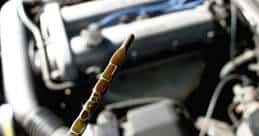
Check All Fluids Before You Leave

The last thing you want on a road trip is your car overheating or your AC giving out. Take the time to check all your car's fluids before you start your journey. Don't let low coolant surprise you.

Leave Relaxing Tunes at Home

While the idea of bringing relaxing music on a trip seems like a good one, particularly with traffic jams and things that take you from your happy place, the last thing you need on an open stretch of road is soothing music. Falling asleep is a big no-no when driving long distance. Instead, bring music you love to dance to or sing to. Play it loud and with the windows down. If you feel sleepy and the music doesn't help, either pull over and rest or take a walk. The same care should be taken with audio books or podcasts. If the sound of the human voice has been known to lull you to sleep, skip it for your trip. Driving on the open road is exhilarating, but not if you're so sore that you're distracted from good driving practices. Take care of your body, paying close attention to how you sit. Once you feel the pain, it rarely disappears just because you switch positions. It took you a while to feel it and will take a while for it to dissipate as well.

Posted in:

Related Posts

car maintenance Lexington, KY

Tips for Keeping Your Car Maintenance Schedule on Track

We all know that regular maintenance keeps your car running smoothly for a long time. But with high-performance upscale brands like Buick, scheduled maintenance is even more important because small problems can turn into expensive problems fast. Knowing when certain parts need maintenance helps you keep to the right schedule. Here are some parts that should be a part of your car's routine maintenance. more Brakes You should get your brakes checked every 3,000 miles. This means inspecting the brake fluid, pads, and rotors for any wear. No matter how long it takes for you to reach 3,000 miles, keep track of your odometer by jotting down the number of miles traveled so you know when it's time for a full brake servicing. To make sure all of your parts are serviced on schedule, we suggest keeping a notepad and pen inside your car that is only used to keep track of miles and maintenance. Transmission Fluid It is inevitable that after heavy usage, your transmission fluid becomes dirty and full of grime. Clean transmission fluid is necessary for the smooth movement of your Buick. As a rule of thumb, you should change the fluid every 25,000 miles. Regardless fo whether you've driven 25,000 miles, if you notice jerky movements, grinding sounds from the transmission, or problems shifting gears, you should get the transmission fluid checked. Lights, Tires, and Engine Oil Some of the most common issues with cars arise from neglecting areas that are easy to maintain such as the lights, tires, and engine oil level. You should check that your headlamps, taillamps, and blinkers are functioning correctly once each month. You can check your tire pressure level monthly in just two minutes using a tire pressure gauge, which can save you a lot of hassle down the line. As you're checking your lights and tires pressure, also check your oil levels using a dipstick. If the oil level is low, simply add more to keep the vehicle functioning properly. Suspension and Steering Without a correctly functioning suspension and steering system, the quality of your driving experience and the safety of your car are severely compromised. You should carry out proper maintenance of the suspension system including wheel alignment every 15,000 to 20,000 miles. You should have the entire suspension and steering systems thoroughly serviced every 15,000 miles. Spark Plug and Air Filter To err on the side of caution, you should check both the spark plug and cabin air filter every 40,000 miles. The spark plug provides the electric charge that gets your car moving by igniting the gas vapors. The air filter allows clean air to come into your car. Both of these items can be serviced together and, again, simply paying attention to the odometer is an easy way to keep track of your schedule. Different car parts require different maintenance schedules. By jotting down the above five parts and taking a current odometer reading, you can identify the next time you'll need to check the suspension, transmission fluid, steering, spark plug, air filter, and brakes.

prep for winter car emergencies Lexington, KY

Preparing for Winter Emergencies: 5 Things to Keep in Your Trunk

Winter is coming whether we want it to or not so it is important to prepare for it. While we often make sure our homes are ready  for winter, we neglect to make sure we have what we need in our car in case of a winter emergency. Here are some things you should keep in your trunk to make sure you are prepared for any situation. more Cell Phone Charger There is nothing worse than realizing your phone is running low on battery when you are not close to home. Cold weather can use up battery power quickly so it is important to make sure you have backup.  There are a few things you can have to make sure your cell phone stays charged. First, keep a charger that plugs into the cigarette lighter. This will keep your phone charged while the car is running. You also want to keep an extra portable battery charge r in the car to use if your car stops working. Blankets If your car breaks down it means your heater won't work either. Keep some blankets in your trunk or the backseat so you can stay warm if you need to wait for help. You can use an old wool blanket from the house and just tuck it in the back seat or the trunk. Wool is warm and better than cotton or fleece when the weather turns cold. Flashlight There are a few reasons you should keep a working flashlight in the car. If you ever need to change a tire or take a look under the hood at night, you'll need light, and it could also be used as a way to signal for help if you end up off the road. A headlamp will come in handy if you need to keep your hands free to work on the car, and a LED flashlight that doesn't suck up a lot of battery is also a good idea. Shovel If you live in an area where it there is a lot of snow, it is a good idea to keep a shovel in the car during the winter. This will come in handy if you slide off the road during a storm. You can use it to dig out your wheels if needed or dig yourself out of a snow bank. There are compact snow shovels available that don't take up much space in your trunk and could mean the difference between getting back on the road and on your way or sitting and waiting for help. Extra Gloves or Mittens Make sure you have a warm pair of mittens or gloves in the car. The lighter gloves are more comfortable for driving are not warm enough if you get stranded. It is also a good idea to keep these inside the car so they stay warm while you are driving. It is important to prepare for all kinds of weather and driving conditions in the winter. Keeping emergency supplies in your vehicle can make a big difference and help keep you safe if something goes wrong.

driving habits Lexington, KY

4 Driving Habits That Are More Dangerous Than You Think

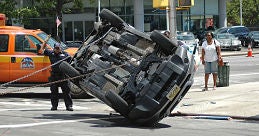
We all have a list of bad habits we know might get us in trouble one way or another but which we keep doing anyway. Too often, this extends to our driving habits, and we don't always follow the best defensive driving practices even though we know we should. However, while some bad driving habits might just annoy other people, or they might be as obviously dangerous as going way over the speed limit, a few driving habits may carry a higher risk than you'd expect. more Multitasking "Multitasking while driving" is a nicer way of saying "distracted driving," and distracted driving killed 3,179 people and injured 431,000 more in 2014. Everyone likes to blame texting and using a mobile phone while driving, which is unarguably a bad idea, but distracted driving is much more than that. Other common distractions include eating, applying makeup, shaving, fiddling with the navigation system, and dealing with rowdy kids in the backseat. Driving requires too much attention to safely multitask, no matter how good you think you are at it, so if you have to do any of these things in your car, you should always pull over and stop your vehicle first. Driving While Medicated "Driving under the influence" doesn't refer to alcohol specifically because alcohol isn't the only drug out there that can impair your ability to stay focused on the road. Most prescription painkillers and a variety of other drugs carry warnings to avoid operating a vehicle or other heavy machinery while you're experiencing their effects. Drug companies don't add these warnings lightly, and you should treat them at least as seriously as you treat the warning, "Don't drink and drive." Ignoring the Weather Speed limits are exactly that: limits. You're free to go slower than what the sign says (although there are minimum speeds on the highway), and when the weather gets rough, that's exactly what you ought to do. Driving for the weather means slowing down when visibility drops to a few hundred feet and when the pavement gets slippery, and by doing so you can get better traction and you can see other slow-moving vehicles in time to avoid a collision. Remember, even the best-made vehicles still have trouble on ice and snow. Tailgating Tailgating is all too common despite the fact that riding the bumper of the car in front of you doesn't get you to your destination faster and it only rarely makes the other driver speed up. Admittedly, the chance that something will happen is low, but if it does you're guaranteeing that you'll get in an accident, too, while if you'd kept a safe distance you might have been able to avoid it. Bad habits at home are one thing, but bad driving habits have a way of rewarding you with damaged vehicles, higher insurance rates, injuries, and even death. The risk of something happening each time may be low, but don't forget how many of those risks you take every day when you climb into your car.