Dan Cummins Chevrolet Buick of Paris

Address

1020 Martin Luther King Junior Boulevard, Paris, KY 40361, USA

Sales Hours

Monday - Friday: 8:30 AM - 8:00PM
Saturday: 8:30 AM - 6:00PM
Sunday: Closed

Service Hours

Monday - Friday: 7:30 AM - 6:00 PM
Saturday: 8:00 AM - 3:00PM
Sunday: Closed

Phone

Sales: (877) 392-5449

Service: (877) 750-3289

Dan Cummins Ford Lincoln

Address

4080 Lexington Road, Nicholasville, KY 40356, USA

Sales Hours

Monday - Friday: 8:30 AM - 8:00PM
Saturday: 8:30 AM - 6:00PM
Sunday: Closed

Service Hours

Monday - Friday: 7:00 AM - 6:00PM
Saturday: 8:00 AM - 3:00PM
Sunday: Closed

Phone

Sales: (859) 349-1227

Service: (859) 657-8184

Dan Cummins Chrysler Dodge Jeep RAM of Paris

Address

2021 Alverson Drive, Paris, KY 40361, USA

Sales Hours

Monday - Friday: 8:30 AM - 8:00PM
Saturday: 8:30 AM - 6:00PM
Sunday: Closed

Service Hours

Monday - Friday: 7:30 AM - 6:00PM
Saturday: 8:00 AM - 2:00PM
Sunday: Closed

Phone

Sales: (859) 587-3835

Service: (859) 587-3836

Dan Cummins Chevrolet Buick of Georgetown

Address

1470 Cherry Blossom Way, Georgetown, KY 40324, USA

Sales Hours

Monday - Friday: 8:30 AM - 8:00PM
Saturday: 8:30 AM - 6:00PM
Sunday: Closed

Service Hours

Monday - Friday: 7:30 AM - 6:00PM
Saturday: 8:00 AM - 3:00PM
Sunday: Closed

Phone

Sales: (502) 542-6488

Service: (502) 542-6561

Dan Cummins Chrysler Dodge Jeep RAM of Georgetown

Address

215 Connector Road Georgetown, KY 40324, USA

Sales Hours

Monday - Friday: 8:30 AM - 8:00PM
Saturday: 8:30 AM - 6:00PM
Sunday: Closed

Service Hours

Monday - Friday: 7:30 AM - 6:00PM
Saturday: 8:00 AM - 3:00PM
Sunday: Closed

Phone

Sales: (502) 287-1506

Service: (502) 908-9149

Blog / Kentucky Vehicle Safety

Blog

All Kentucky Vehicle Safety Kentucky Chevrolet Kentucky Used Cars Dealership Kentucky car dealership Kentucky Car Sales Kentucky Community Involvement Vehicles Kentucky Buick Bad Credit Auto Loans Kentucky Fuel Efficient Vehicle Kentucky Auto Financing Kentucky Vehicle Trade In Employee Appreciation Employee Spotlights Kentucky Vehicle Leasing
car maintenance Lexington, KY

Tips for Keeping Your Car Maintenance Schedule on Track

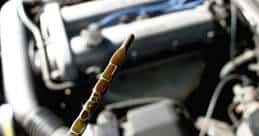
We all know that regular maintenance keeps your car running smoothly for a long time. But with high-performance upscale brands like Buick, scheduled maintenance is even more important because small problems can turn into expensive problems fast. Knowing when certain parts need maintenance helps you keep to the right schedule. Here are some parts that should be a part of your car's routine maintenance. more Brakes You should get your brakes checked every 3,000 miles. This means inspecting the brake fluid, pads, and rotors for any wear. No matter how long it takes for you to reach 3,000 miles, keep track of your odometer by jotting down the number of miles traveled so you know when it's time for a full brake servicing. To make sure all of your parts are serviced on schedule, we suggest keeping a notepad and pen inside your car that is only used to keep track of miles and maintenance. Transmission Fluid It is inevitable that after heavy usage, your transmission fluid becomes dirty and full of grime. Clean transmission fluid is necessary for the smooth movement of your Buick. As a rule of thumb, you should change the fluid every 25,000 miles. Regardless fo whether you've driven 25,000 miles, if you notice jerky movements, grinding sounds from the transmission, or problems shifting gears, you should get the transmission fluid checked. Lights, Tires, and Engine Oil Some of the most common issues with cars arise from neglecting areas that are easy to maintain such as the lights, tires, and engine oil level. You should check that your headlamps, taillamps, and blinkers are functioning correctly once each month. You can check your tire pressure level monthly in just two minutes using a tire pressure gauge, which can save you a lot of hassle down the line. As you're checking your lights and tires pressure, also check your oil levels using a dipstick. If the oil level is low, simply add more to keep the vehicle functioning properly. Suspension and Steering Without a correctly functioning suspension and steering system, the quality of your driving experience and the safety of your car are severely compromised. You should carry out proper maintenance of the suspension system including wheel alignment every 15,000 to 20,000 miles. You should have the entire suspension and steering systems thoroughly serviced every 15,000 miles. Spark Plug and Air Filter To err on the side of caution, you should check both the spark plug and cabin air filter every 40,000 miles. The spark plug provides the electric charge that gets your car moving by igniting the gas vapors. The air filter allows clean air to come into your car. Both of these items can be serviced together and, again, simply paying attention to the odometer is an easy way to keep track of your schedule. Different car parts require different maintenance schedules. By jotting down the above five parts and taking a current odometer reading, you can identify the next time you'll need to check the suspension, transmission fluid, steering, spark plug, air filter, and brakes.

prep for winter car emergencies Lexington, KY

Preparing for Winter Emergencies: 5 Things to Keep in Your Trunk

Winter is coming whether we want it to or not so it is important to prepare for it. While we often make sure our homes are ready  for winter, we neglect to make sure we have what we need in our car in case of a winter emergency. Here are some things you should keep in your trunk to make sure you are prepared for any situation. more Cell Phone Charger There is nothing worse than realizing your phone is running low on battery when you are not close to home. Cold weather can use up battery power quickly so it is important to make sure you have backup.  There are a few things you can have to make sure your cell phone stays charged. First, keep a charger that plugs into the cigarette lighter. This will keep your phone charged while the car is running. You also want to keep an extra portable battery charge r in the car to use if your car stops working. Blankets If your car breaks down it means your heater won't work either. Keep some blankets in your trunk or the backseat so you can stay warm if you need to wait for help. You can use an old wool blanket from the house and just tuck it in the back seat or the trunk. Wool is warm and better than cotton or fleece when the weather turns cold. Flashlight There are a few reasons you should keep a working flashlight in the car. If you ever need to change a tire or take a look under the hood at night, you'll need light, and it could also be used as a way to signal for help if you end up off the road. A headlamp will come in handy if you need to keep your hands free to work on the car, and a LED flashlight that doesn't suck up a lot of battery is also a good idea. Shovel If you live in an area where it there is a lot of snow, it is a good idea to keep a shovel in the car during the winter. This will come in handy if you slide off the road during a storm. You can use it to dig out your wheels if needed or dig yourself out of a snow bank. There are compact snow shovels available that don't take up much space in your trunk and could mean the difference between getting back on the road and on your way or sitting and waiting for help. Extra Gloves or Mittens Make sure you have a warm pair of mittens or gloves in the car. The lighter gloves are more comfortable for driving are not warm enough if you get stranded. It is also a good idea to keep these inside the car so they stay warm while you are driving. It is important to prepare for all kinds of weather and driving conditions in the winter. Keeping emergency supplies in your vehicle can make a big difference and help keep you safe if something goes wrong.

driving habits Lexington, KY

4 Driving Habits That Are More Dangerous Than You Think

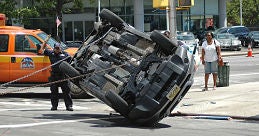
We all have a list of bad habits we know might get us in trouble one way or another but which we keep doing anyway. Too often, this extends to our driving habits, and we don't always follow the best defensive driving practices even though we know we should. However, while some bad driving habits might just annoy other people, or they might be as obviously dangerous as going way over the speed limit, a few driving habits may carry a higher risk than you'd expect. more Multitasking "Multitasking while driving" is a nicer way of saying "distracted driving," and distracted driving killed 3,179 people and injured 431,000 more in 2014. Everyone likes to blame texting and using a mobile phone while driving, which is unarguably a bad idea, but distracted driving is much more than that. Other common distractions include eating, applying makeup, shaving, fiddling with the navigation system, and dealing with rowdy kids in the backseat. Driving requires too much attention to safely multitask, no matter how good you think you are at it, so if you have to do any of these things in your car, you should always pull over and stop your vehicle first. Driving While Medicated "Driving under the influence" doesn't refer to alcohol specifically because alcohol isn't the only drug out there that can impair your ability to stay focused on the road. Most prescription painkillers and a variety of other drugs carry warnings to avoid operating a vehicle or other heavy machinery while you're experiencing their effects. Drug companies don't add these warnings lightly, and you should treat them at least as seriously as you treat the warning, "Don't drink and drive." Ignoring the Weather Speed limits are exactly that: limits. You're free to go slower than what the sign says (although there are minimum speeds on the highway), and when the weather gets rough, that's exactly what you ought to do. Driving for the weather means slowing down when visibility drops to a few hundred feet and when the pavement gets slippery, and by doing so you can get better traction and you can see other slow-moving vehicles in time to avoid a collision. Remember, even the best-made vehicles still have trouble on ice and snow. Tailgating Tailgating is all too common despite the fact that riding the bumper of the car in front of you doesn't get you to your destination faster and it only rarely makes the other driver speed up. Admittedly, the chance that something will happen is low, but if it does you're guaranteeing that you'll get in an accident, too, while if you'd kept a safe distance you might have been able to avoid it. Bad habits at home are one thing, but bad driving habits have a way of rewarding you with damaged vehicles, higher insurance rates, injuries, and even death. The risk of something happening each time may be low, but don't forget how many of those risks you take every day when you climb into your car.

long distance driving Lexington, KY

How to Stay Comfortable While Driving Long Distances

As a kid, you probably curled up in the car — head this way, feet the other — contorted like a pretzel. Upon arrival, you jumped right out ready to enjoy the next adventure. Sadly, those days are gone. Now, even sitting for long periods can make you ache as badly as if you ran the trip instead of traveling in the luxury of your car. You don't have to accept this as your new normal. There are things you can do to improve your comfort. Pack Food and Water From unexpected breakdowns to avoiding unhealthy choices, bringing snacks from home will keep hunger away and help you avoid the temptation of fast food. Instead, you can use the breaks you would've taken for food  to take a short walk around the rest area to stretch those muscles. You should schedule stops every two to three hours to relieve aching joints. Stop even if you feel fine, taking the time to walk and stretch for about five minutes. more Adjust Your Posture Driving day-to-day, you may not notice your bad posture or driving habits. However, tack on a few hours and you realize the strain you put on your back, shoulders, neck, and hips. Using your cruise control will help ease some of the strain on your lower back and hips because you can place your foot flat on the floor instead of on the gas. Adjust your seat so you have support and you're not straining to reach the steering wheel. Here are some details on how to sit in the correct posture while driving. Check All Fluids Before You Leave The last thing you want on a road trip is your car overheating or your AC giving out. Take the time to check all your car's fluids before you start your journey. Don't let low coolant surprise you. Leave Relaxing Tunes at Home While the idea of bringing relaxing music on a trip seems like a good one, particularly with traffic jams and things that take you from your happy place, the last thing you need on an open stretch of road is soothing music. Falling asleep is a big no-no when driving long distance. Instead, bring music you love to dance to or sing to. Play it loud and with the windows down. If you feel sleepy and the music doesn't help, either pull over and rest or take a walk. The same care should be taken with audio books or podcasts. If the sound of the human voice has been known to lull you to sleep, skip it for your trip. Driving on the open road is exhilarating, but not if you're so sore that you're distracted from good driving practices. Take care of your body, paying close attention to how you sit. Once you feel the pain, it rarely disappears just because you switch positions. It took you a while to feel it and will take a while for it to dissipate as well.

parallel parking Paris, KY

Did You Know These 4 Parallel Parking Hacks?

Parallel parking can trip up some of the most experienced drivers out there. Whether you have no idea how to do one and have never tried, or if you know but just haven't gotten it smooth yet, these tips and hacks might take the complications away. Pull Ahead and Go Back Some people don't succeed at parallel parking because they start it the wrong way. First, you should pull alongside the car in front of the space you're aiming for and align your axle with that car's bumper. When you do this, you can turn the wheel hard toward the curb. If properly aligned, you should get a curve that sets your car's rear deep into the narrow spot while making a C around the bumper of the car in front. more Turn at The Trunk The main trouble for beginners is finding the right time to start turning into the space while backing up. The best way to get this settled is to use the car in front as a guiding point. First, pull ahead and stop when you're basically aligned next to the car that'll be in front of you when you're done. Start backing up perfectly straight. Then, at the point where you as a driver align with the middle of the trunk area, begin to turn hard into the space. Depending on the length of your own vehicle and the vehicles involved, this might not always be a viable way to guide yourself. However, it helps you acquaint yourself with your vehicle and how its turn radius behaves. The more you do it, the more you'll feel in control of the situation. Watch the Car in Front Even when you get the beginning step figured out, correcting the front of the vehicle is often the greater challenge. The best tip is as follows: Watch the front as much as the back. You watch the back to ensure you don't touch the vehicle behind you, of course, but the car in front can guide you once again. As soon as you've backed up safely, keep going until your inside rear tire lines up with the street-side edge of the car ahead of you. Straighten the wheel and keep reversing, and you're nearly there! If you're really unsure of when to cut the wheel the opposite way, there's another point of reference you can use up front. As you're turning, watch for the point where your car is diagonal, and you (as a driver) are aligned with the rear corner of the vehicle in front. At this point, you can start to turn the wheel, and it should easily correct if you take your time. Practicing with two other cars and plenty of space is the best way to put these directions and guidelines to practice. Some will make more sense to certain people, so see which logic and rules help you the most and keep getting better. Soon, you'll be a master at parallel parking who makes it look easy!

Chevy’s All-New Safety Features

Your safety is Chevrolet’s top priority. Chevy believes in equipping every vehicle they make with advanced safety features to ensure you and your loved ones stay protected on the road. To learn more about the safety features Chevrolet has to offer, keep reading. When you purchase a new Chevy, you have the option to add Chevrolet Safety Assist, a bundle of six advanced safety features. This includes: Automatic Emergency Braking Forward Collision Alert Front Pedestrian Braking Following Distance Indicator Lane Keep Assist with Lane Departure Warning Intellibeam ® Auto High Beam Assist With Forward Collision Alert, you'll receive a warning if there's a potential front-end collision with the vehicle ahead of you. Front Pedestrian Braking helps you avoid or reduce the severity of a front-end collision with a detected pedestrian. Lane Keep Assist with Lane Departure Warning keeps you on track with gentle steering wheel turns, and the Following Distance Indicator helps you keep a safe distance from the vehicle ahead. And if you're looking for even more peace of mind, Chevy offers additional optional driver assistance technologies, including the Safety Alert Seat, OnStar Safety and Security, and Teen Driver features. The Safety Alert Seat uses vibrations to help you identify the direction of potential crashes, while OnStar Safety and Security provides emergency services and roadside assistance. And with Teen Driver, you can set driving parameters and receive a report card on your teen's driving habits. To learn more about all the safety features Chevrolet has to offer, visit Vehicle Safety Features: Adaptive Cruise Control, Lane Departure (chevrolet.com). With Chevrolet’s commitment to advanced safety technologies, you can trust that your Chevy will keep you and your passengers protected on every journey.

Chevy offroading

A Beginner's Guide to Driving Off-Road

Off-roading is an incredible adventure, but it can be daunting for beginners. Before setting out on your first off-roading excursion, here are some tips to keep in mind. Obtain the Proper Equipment First thing's first: you need the right vehicle for off-roading. There's simply no getting around this one. You can't expect to take your compact two-wheel drive on a rugged muddy trail and have it make it out in one piece. Research your options carefully and decide on a proper four-wheel drive like the Chevrolet Colorado before hitting the trail. more In addition to the right vehicle, you also need the proper gear. Pack a winching accessory kit, a quick deflator, an air compressor, element ramps, a multipurpose tool, a cooler, and medical kit. You'll also want to bring a spare tire, navigational aids, and full gas tank. Always research tips on specific terrain and what sorts of tools you should bring. Find a Beginner Trail Kentucky offers miles of off-road trails that are perfect for beginners and experts alike, so it's important to choose wisely. Your best bet is starting out on flat land just to get the hang of non-paved surfaces, then you can graduate to mountainsides, bogs, river beds, and other wilderness trails. Great beginner choices include grasslands, dry dirt, and gravel, so they'll be your safest options. Our state's off-highway trails are abundant, so stick to recommended routes, bringing a more experienced buddy along for the ride, if possible. Never Off-Road Alone Even if you don't have a more experienced friend to make the run with you, never go off-roading by yourself. Always bring a friend or ride with a convoy. Off-roading presents many challenges, and many things can go wrong, which is why there's more safety in numbers. If you get stuck or you've forgotten your winching kit, another member of the group can come to your aid. Along those same lines, be sure to tell someone at home your off-roading plans. Leave detailed information describing where you're going and what time you expect to return. That way, if something goes wrong, you'll have someone looking for you. Go at an Even Pace You want to maintain your momentum when off-roading, so be sure to keep an even pace. A steady momentum will help you through difficult terrain, but if you do get stuck, don't spin the wheels trying to break free. Gently back up instead and move forward steadily a few times. When that doesn't work, you'll need to break out the winching kit or get a push. When approaching rough terrain and obstacles, you'll want to do so from a 45-degree angle, which allows you to keep at least three wheels on the ground at all times. Going at an even pace and approaching obstacles correctly allows you to stay in control. Off-roading for the first time doesn't have to be intimidating. Do your research beforehand and be sure you're packed and prepared for the worst-case scenarios, and you'll be a seasoned off-roader in no time.

happy-car-owner

Safest Used Cars for Teens Under $10,000

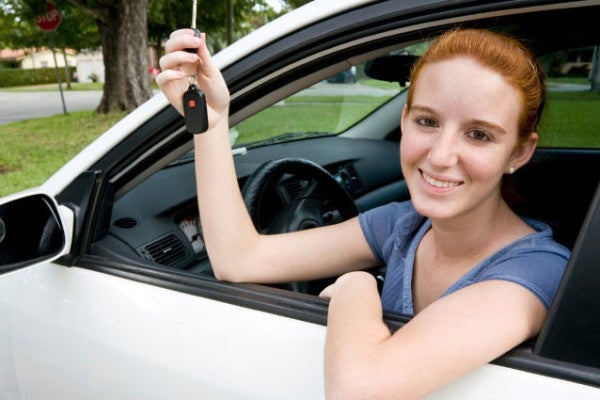
Having a new teenage driver in your house can be stressful. Constantly worrying about where they are, what they are doing, who they are with - the list goes on and on. One thing that you shouldn’t have to worry about, is if the car they are driving is reliable and safe. Adding a teenage driver to your insurance is costly, and if sharing your family car with them isn’t not a feasible option, then making a new car purchase can also set you back financially. A common misconception is that older cars are not as safe as new vehicles. While new safety technology is being introduced constantly, there are plenty of safe options for affordable used cars in Lexington, KY. No parent should ever have to choose between the safety of their teenage driver, and money. It is possible to find a used car that is both safe and affordable. Thanks to safety institutions and other resources, there is a lot of information available on this very subject. We have taken the time to sift through piles of data to narrow down this extensive field to ten of the safest cars for teenagers under $10,000. Vehicle Safety Must-Haves Before we get to the specific makes and models, let’s take a look at some important safety factors to take into consideration when buying a used car for your teen. Electronic Stability Control: This technology was first invented back in 1983, but has recently been incorporated into a vast majority of automobiles. It is considered one of the most important vehicle safety advancements since the seatbelt, and helps the driver stay in control of the vehicle in the event that traction is lost, or skidding takes place. Automatic braking is applied to individual wheels, which helps the vehicle stay in control. Good Overall Safety Scores: Especially in emergency maneuver tests, the car you choose for your teen driver should have a good stopping distance, and be able to quickly get around a potential hazard on the road. Size and Weight: This is an important factor to consider when choosing a vehicle for your teen driver. Larger vehicles such as SUVs have a higher center of gravity, and can tip more easily than a sedan or coupe. Hands Free Connectivity: Regardless of how many times you remind them not to text or talk while driving, teenagers inevitably pick up the phone while behind the wheel. Finding a used vehicle with Bluetooth connectivity will help reduce distraction, allowing your teen to keep their hands on the wheel, and eyes on the road when the phone rings. 10 Safest Used Cars Under $10,000 2009-2012 Chevy Malibu: This four door sedan used typically starts right around $8,000, and is comfortable, quiet, and safe. The steering wheel and foot pedals can be adjusted to the correct height for your teen driver, with plenty of room for those upcoming growth spurts. The Malibu has responsive handling, and gets a combined rating of 25 miles per gallon. 2009-2011 Ford Focus: This smaller sedan starts used around $6,000, and despite being classified as a compact car, features plenty of interior cabin space. If you find a used version with Ford’s SYNC technology, your teen can talk on the phone hands free, as well as control their music, send text messages, and receive turn-by-turn directions. 2009-2014 Volkswagen Rabbit/Golf: Both the Golf and Rabbit have been best-selling cars around the world for plenty of years, making the a great choice for your teen. You can expect to pay around $7,000 for this car used, and the hatchback rear trunk gives it a roomier feel than other cars in the same segment. 2010-2011 Kia Soul: This uniquely boxy crossover is fun to drive, and has plenty of safety features standard. The used Soul comes in around $8,000, and the impressive EPA-estimated fuel economy will help with continued savings down the road. Kia’s UVO connection system allows for hands-free connectivity with a smart phone, keeping your teenage driver’s eyes on the road. 2006-2014 Hyundai Sonata: The midsize Sonata brings an element of luxury to our list, with a soft and quiet ride, comfortable interior, and plenty of room for passengers. You can expect to pay around $5,000 for the Sonata used, which makes it one of the most affordable on our list. A combined fuel economy of 27 miles per gallon is impressive, as well as its responsive handling. 2010-2012 Ford Fusion: This used sedan starts around $8,000, and features a larger body than the smaller Focus. Ford’s SYNC system can be found on some used versions of this car, which allow for hands-free connectivity on the road. SYNC also gives drivers a vehicle history report, and will automatically dial 911 when a collision occurs in which the airbags are deployed. 2011-2013 Mazda3 i: This used sedan tops our list as far as price, which is expected to be right under the $10,000 mark. Known for its safety, reliability, and powerful engine, the Mazda3 is spacious, and fun to drive. Finding a used model with extra amenities like leather seating, heated seats, and a navigation system should be easy. 2004-2012 Toyota RAV4: This used compact crossover starts around $7,000, and has the extra space for your teen’s unique hobbies. With the back seats folded down, the RAV4 can haul some serious cargo, which makes it even more appealing. Bluetooth hands-free connectivity became available on the RAV4 starting with the 2006 model year. 2009-2010 Volkswagen Jetta: This small, yet sporty sedan has great handling, and a smooth ride. Starting used around $7,000, the Jetta features intuitive controls, a spacious trunk, and a more luxurious interior than others on our list. The Jetta is well known for its reliability and quality. 2009-2013 Mazda6 i: You can expect to pay right around $8,000 for this sedan used. The Mazda6 i features exceptionally responsive steering, a four-cylinder engine, and a telescoping steering wheel. Used versions are available with blind spot monitoring, more interior amenities, and rear backup cameras. Dan Cummins Can Help! This list is a great starting off point when searching for a vehicle for your new teen driver. The entire process can be overwhelming, which is why it is important to be informed, and go into a dealership with a general idea of what you are looking for. Here at Dan Cummins, our knowledgeable and friendly sales staff can help you find the perfect vehicle for your teen driver. We understand that safety is your number one priority, and that getting a great deal on a great car is your goal. Our extensive inventory of used cars, trucks, and SUVs, will help ensure that you have the best selection to choose from for your teenager. Come by Dan Cummins Used dealership to check out our inventory and speak with our sales team, today! You can also check out our entire inventory online, which is constantly changing to better serve our customers. If you don’t see what you are looking for online, give us a call, and we will work hard to help you find the car you are looking for. Finding a safe vehicle for your teenager shouldn’t be taken lightly. At Dan Cummins, we will listen to your concerns and desires for your vehicle, and help you find the perfect fit. We look forward to helping you!


air-bags

Quick Look at Safest Used Cars for Teens

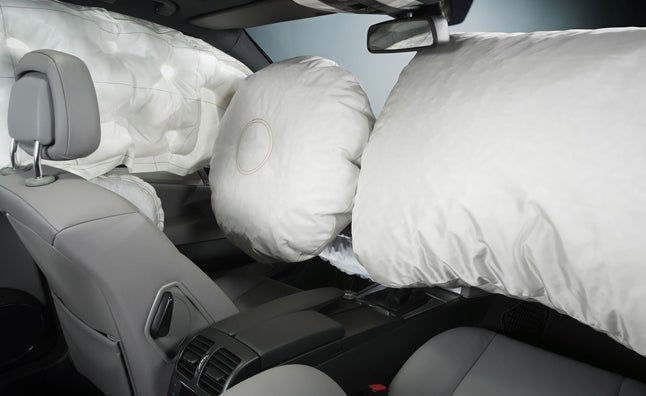
The most important thing that parents think about when it comes to getting a used car for their teenager is safety. This is why the Insurance Institute for Highway Safety compiled a list of some of the safest used cars for teens to help you choose which one will be the best. You may want to browse a used Chevrolet dealership after looking at this list! So which vehicles topped the list? 2010 or Newer Chevy Malibu The Chevy Malibu ranked as one of the best midsize cars for teenagers. The 2010 year or newer is recommended as they contain more airbags, electronic stability control, and are very affordable. While some teens may want a smaller, compact car, it’s advised that parents stray from this idea. Having a larger car that has a heavier weight to it will better protect your teenager in the event of a crash. The 2010 Chevy Malibu also gets up to 33 MPG and has brake assist, electronic stability, and dual front side impact airbags to help your teen be as safe as possible on the road. 2009 or Newer Volkswagen Jetta The Volkswagen Jetta is a popular car and has also gotten the thumb’s up from the Insurance Institute for Highway Safety. These cars are relatively inexpensive and the sedan and wagon are both acceptable models for your teen. Get a 2009 and newer to ensure that it comes with the six standard airbags and dual front side impact airbags. The 2009 Jetta also comes with stability and traction control. These vehicles get up to 30 MPG and may even get better mileage if broken in. This could be a great used car for your teen’s first vehicle! 2011 or Newer Chevy Traverse If you’d prefer to have an SUV for your teenager, the Chevy Traverse is a large SUV on the list for the safest used cars for teens. You’ll want a 2011 model or newer. These SUVs are capable of up to 25 MPG and are larger vehicles so you’ll feel safer about your teen driving one. The 2011 Chevy Traverse also comes with a reverse sensing system, which can be an excellent choice for newer drivers who may not always be pro at backing up. You’ll also have the option of getting this with a camera as well. The Chevy Traverse comes with stability and traction control in addition to dual front impact airbags and dual front side impact airbags. 2010 or Newer Ford Fusion The Ford Fusion is a very popular car and is also surprisingly affordable used. Getting up to 33 MPG and even a spoiler to help your teen feel a little more modern makes the Fusion appealing to parents. Your teen will probably love the entertainment system with up to twelve speakers as well. You have the option of a reverse sensing system with a camera and the Fusion comes standard with electronic stability, traction control, brake assist, and dual front impact and front side impact airbags. 2010 or Newer Chevy Equinox The Chevy Equinox topped the list for small SUVs for teens. This will make you feel safer about your teen being in a vehicle that’s a little larger than a car but not quite as large as a full-size SUV. With up to 32 MPG, this is one SUV that’s got some great fuel mileage for your teen. Electronic stability, a security system, traction control, brake assist, and plenty of airbags keep this vehicle as safe as possible for your teenager’s first vehicle. When teenagers get their driver’s license, it can be a scary thing for parents. Ease your fears by picking one of these safest cars for teens rated by the Insurance Institute for Highway Safety. Used cars are a great market for teenagers and they’re still covered under warranty if they’re certified. Feel safe with your teen in one of these picks!

Top Three Used SUVs for Winter Driving

Even though it’s technically still summer outside and you’re in flip flops and shorts, it’s never too early to start considering that winter is on its way and you’re going to need to be prepared. more If you’ve been noticing that winters in the Northeast have experienced quite a bit more snowfall than average, then you’ll realize that not only is it time to trade in your compact car for an SUV but it's also the time to start saving for it. Sure, you can put winter tires on anything, but only SUV’s are going to be able to deliver power and control to get you through some of the intense storms and snowfalls we’ve seen over the last couple years and are sure to get more of. Let’s take a look at some of the top rated SUVs so when you’re at Lexington used car dealers, you’ll already know what you’re looking for. Nissan Xterra While Nissan Xterras are just as fun to drive in the summer as they are in the winter, this smaller SUV happens to be perfect when dashing through the snow. If you can get your mitts on an 2014 Xterra Pro 4X model it will be equipped with standard electronic locking rear differential, hill start assist and hill descent control, Bilstein shocks, skid plates and larger tires.  The Xterra Pro 4X also has an impressive ground clearance which is perfect when traveling through deep snow. Jeep Grand Cherokee Best pick for midsize SUV’s, a newly used Jeep Cherokees comes available in three four wheel drive options that will help navigate you through the toughest winters. All four wheel drive Grand Cherokee models come with Jeeps Selection Terrain System which maximizes traction with driver-selection settings that include auto (normal), snow, sport, sand/mud and rock. Made with adjustable air suspension which allows the Grand Cherokee to be raised 3.8 inches higher is perfect when snow conditions are deep. Honorable Mention: Jeep Wrangler.  Offering locking front and rear wheel differentials, off road tire suspensions along with a slew of aftermarket goodies to improve your time spent outside all winter long, because when you own a Jeep, there’s no such thing as ‘inside season’.  Just remember to switch out for your hard top. Land Rover Range Rover When seeking the best in large SUV’s best for winter coverage, seek no further than Land Rover.  Four wheel drive and various suspension components make handling snow bound days possible. Land Rover’s Terrain Response system, which comes standard in all Land Rovers, but in higher trims detects which drive mode would be best given the road condition and switches automatically. Further, why would you ever want to show up to your ski cabin in anything but a Land Rover?

Chevrolet Teen Driver

2016 Chevy Malibu to Feature 'Teen Driver' Mode

As one of the firsts in the automotive industry to carry an on board interactive safety system, “Teen Driver” will come as a standard feature on the premium 2016 Chevy Malibu.  With more and more staggering statistics about teen accidents, parents and car manufacturers alike are taking larger strides in protecting their teens as they get behind the wheel. By taking advantage of the technology available, parents who are interested in how well their teen’s are driving when they’re not around can now keep track.  “Teen Driver” records certain information such as speed, mileage, radio volume then rates the teen on a report card.  The parents have access to this information to see how well their teen did and then the hope is the report will open dialogue about safe driving. more Why So Much Concern? Chevrolet of Lexington KY understands.  Unfortunately, teenagers are prone to certain behaviors that just makes their parents cringe.  No matter how hard you try, at some point, your teenager will forget, even if just for a moment, every bit of advice or lesson you ever instilled in them.  This isn’t their fault; it is their age ( of course you can’t tell them that). Teenagers are innately poor drivers.  They make poor decisions, exhibit questionable levels maturity, posses total commitment to invincibility and because of their inexperience in driving, lack a proper skill set. Yet it is during this time in a young adult’s life that as a society we deem it a good idea to let teens start operating heavy equipment that can be potentially fatal. The Insurance Institute for Highway Safety in the United States reports that the fatal crash rate per mile driven for 16 to 19-year-olds is nearly three times the rate for drivers ages 20 and over.  According to AAA, teens have the highest number of vehicle accidents every year.  These statistics are very disconcerting for parents and teens alike. Distractions play a large role in teen accidents. During tests done by AAA in order to gain statistics on teenage driving and accidents, found that distractions were responsible for six out of ten moderate to severe accidents.  Cell phone use and interactions with passengers make up 12-15% of all teenage accidents. "We developed this system so parents could use it as a teaching tool with their kids — they can discuss and reinforce safe driving habits,"  GM safety engineer MaryAnn Beebe. How Does It Work? As part of the on board infotainment system, parents can hook up the MyLink system via touch screen on the interface of 2016 Malibu.  Through this system parents can set limits on speed, volume, and mileage.  The Teen Drive system will give a visual and audible warning if any of the parental presets are exceeded.  Parents can access this information from the MyLink system. Teen Driver works when parent enables the feature by creating a PIN in the Settings menu of their available MyLink system.  The parent’s will then need to register their teen’s key fob. The system’s settings are turned on only to registered key fobs. Using the touchscreen on the interface, parents will have the access to predetermine speed limits, mileage, and volume.  Only the key set to the specifications will access Teen Drive mode. Teen Driver Report Card Along with the presets made by the parents, the system will lower or mute volume when a passenger or driver is not wearing a safety belt. Teen Driver will further alert the driver and parents to any of these situations should they arise: stability control, front and rear park assist, side blind zone alert, rear cross traffic alert, forward collision alert, forward collision braking and traction control. At the end of the journey, the parent gets to review a ‘report card’ of sorts which will highlight if any of these above mentioned systems were utilized and further if any of the parental presets were exceeded.  While this may be viewed as a bit ‘Orwellian’, you cannot say these parents don’t care about either their car or teens’ safety. Skeptics While there are so many obvious benefits to Teen Driver, there are a few who remain skeptical.  Some have considered this technology to be ‘spyware’ and have compared this information to  being as invasive as the NSA. Really. Like with any new product, critiques are welcome and GM is open to hearing them.  They can only improve on what they already have and given this as a jumping point, I’d say the future is looking great.  However, even teens and parents alike have some some constructive concerns and feedback to share. If any of the presets are exceeded, nothing really happens; it simply tells on you. My guess is if your parents are concerned about your safety enough to have a preset key fob for you, they’re also the parents who are going to sit you down and talk about your excessive speeding in their vehicle.  The best way to not be found guilty is to not commit the crime. What kind of teenager is driving a brand new 4-door Chevy Malibu? Valid. Back when I was learning to drive no parent I knew was letting their teen drive their, or any, brand new car.  However, times are different and statistics are staggering.  There is a great deal of parents who care enough about their teenagers and want to ensure their utmost in safety (note: this is not to say my parents, or any back then, didn’t care.  Time, cars and technology were so vastly different even twenty years ago that it almost seems archaic).  Given the level of information we can obtain from our vehicles, doesn’t it just make sense we start using to better our everyday lives and the lives our loved ones? Teen Driver doesn’t address distractions like passengers and cell phones.  True, but if you are purchasing the new 2016 Malibu with Teen Driver, my guess is you are already, or at the very least feel an obligation to be, a responsible parent active in your teen’s life.  Setting a key fob for your teen is probably not the first time you’ve had a conversation with them about car safety and on the off chance it is and are still reading this; do more.  Get involved in your teen’s life. Be an Active Participant Let’s face it, GM and other manufacturers can only do so much.  The best way to teach your teenagers about safe driving is to set the example yourself.  Be cognisant of your behavior while you are driving your children/teens around. Have a conversation involving your entire family about car safety do’s and don’ts.  Sure, your teens are going to call you out on some bad habits you have, but this is a great time to show them how serious you are about safety that even you are willing to change.  (Right, dad?)  Remember, your bad habits are their examples. Chevrolet Is On Your Side Teen Driver has no subscription and comes as a standard feature in the 2016 Malibu Premium trim and will be optional on the LT models.  That means there is no additional fee, no added costs.  Chevy wants to ensure safety in all drivers, young and old alike.  A lot of drivers on the road right now, even if you’ve been driving for years, could benefit from a reminder every now and again.  Even if no one looks at it but you, a report card can always be good for your own sake.

Contact Us

Fill out this form below and we'll contact you shortly
*Required Fields